
Part 2 of 2: Choosing the Right Self-Storage Management Strategy
In Part One, “Beyond Remote Management: The Case for Connected Self-Storage Management,” we examined why technology works best when supported by operational oversight, regional accountability, and experienced professionals.
A self-storage management strategy should reflect the property it serves. Digital leasing, cloud-based management platforms, dynamic pricing, AI-assisted customer communications, and automated access control can reduce administrative work while creating a more convenient customer experience.
The benefits are real. However, one important question often gets overlooked:
Is every property a good candidate for the same management model?
The answer depends less on the technology and more on the property’s operating environment.
Why One Management Model Cannot Fit Every Property
A facility located in a rural community with predictable customer traffic presents different operational challenges from a property located in a dense metropolitan market. Both facilities may use the same software, access-control systems, and digital tools. However, they may require very different levels of physical oversight.
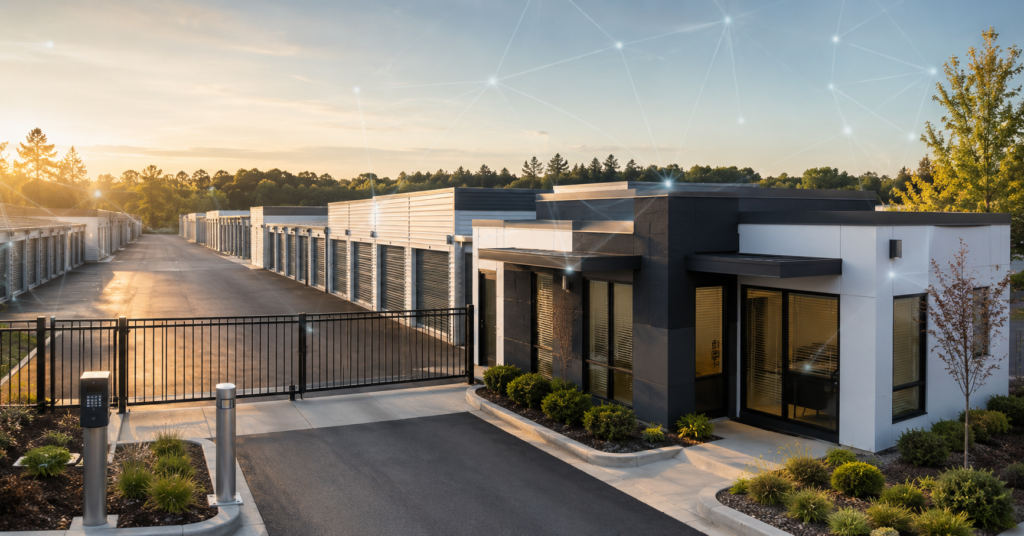
Market density, surrounding land use, property layout, maintenance demands, customer behavior, and previous incidents can all influence the level of support a property needs. For example, a single-story drive-up facility has different visibility and access considerations from a multi-story building with interior corridors, elevators, loading areas, and multiple entry points.
Industry coverage of the benefits and challenges of remote management in self-storage has also emphasized the importance of balancing automation with customer service and operational responsiveness.
Therefore, owners should not choose a management model based only on its technology or potential cost savings. The strategy must also account for how the property operates every day and who takes responsibility when an issue requires a physical response.
What Owners Should Evaluate
The surrounding market is a logical place to begin. Daily tenant activity, nearby residential and commercial properties, local competition, vendor availability, and the facility’s history can all affect its operating needs.
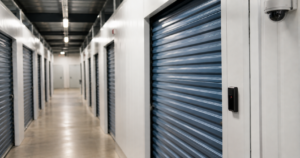
The physical property also matters. Gates, lighting, access readers, unit doors, elevators, loading areas, and video equipment require routine verification. Modern self-storage smart security can help operators identify unusual activity and equipment failures. However, an alert cannot repair a broken gate, inspect a damaged door, supervise a contractor, or confirm that corrective work was completed.
Customer expectations add another consideration. Many renters value online leasing, digital payments, mobile access, and fast remote support. These tools have become an important part of the modern self-storage customer experience. Still, convenience is only one part of the customer relationship. Tenants also expect functioning equipment, a well-maintained property, timely communication, and a clear response when something goes wrong.
Before selecting or renewing a management model, owners should ask:
- Who physically visits the property, and how often?
- How does the management team verify and close maintenance issues?
- What happens when an access-control or monitoring system fails?
- Who supervises vendors and confirms the quality of their work?
- How does management communicate with tenants after a significant incident?
- How does the strategy protect both NOI and long-term asset value?
These questions help move the conversation beyond software features and staffing costs. They reveal whether the operating structure provides genuine accountability.
Remote, On-Site, or Connected Management
There is no universally correct operating model. Remote, on-site, and connected management can all work when they match the needs of the property.
Remote Management
A primarily remote approach may work well for a facility with predictable traffic, reliable technology, straightforward maintenance requirements, and established local vendor relationships. It can reduce administrative expenses and provide customers with convenient digital tools.
However, remote management should still include documented procedures for property inspections, maintenance verification, vendor coordination, and urgent local response. Remote administration should not mean an unattended property.
On-Site Management
A consistent on-site presence may make sense for a facility with high daily traffic, frequent tours, complex physical operations, significant retail activity, or recurring maintenance demands.
An on-site manager can provide immediate visibility and customer support. Nevertheless, an on-site model still benefits from centralized technology, standardized reporting, dynamic pricing, and regional operational support. Physical presence alone does not guarantee strong performance.
Connected Management
Connected management combines centralized technology and remote administrative efficiency with scheduled physical oversight. Cloud-based systems, AI-assisted monitoring, digital leasing, dynamic pricing, regional field managers, vendor coordination, and documented property inspections work together as one operating structure.
The goal is not to maximize or minimize staffing. Instead, the goal is to provide the level of support the property requires while preserving the efficiencies that technology makes possible.
A regional operating structure can make this model especially effective. Managers already traveling between nearby properties can perform scheduled walkthroughs, verify maintenance work, inspect vacant units, coordinate vendors, and evaluate curb appeal as part of established routes. As a result, owners gain local accountability without requiring every facility to maintain a full-time on-site manager.
When a Remote Management Strategy Needs More Support
A remote management strategy should evolve as the property and its market change. A model that worked well several years ago may no longer provide enough support after customer traffic increases, the surrounding area changes, or the physical property becomes more complex.
Repeated equipment failures, unresolved maintenance requests, recurring access-control problems, inconsistent vendor performance, and growing tenant complaints may indicate that the current structure needs attention. Negative reviews mentioning responsiveness or upkeep can provide another signal.
Owners should also look at the inspection process itself. If no one can clearly explain when the property was last inspected, what the inspection covered, and how management resolved the findings, the facility may lack the accountability needed to support long-term performance.
One isolated problem may not require a complete operating change. However, repeated issues can show that the property has outgrown its current level of oversight.
Technology Should Strengthen Accountability
Remote management is not inherently good or bad. When applied in the right environment, it can create meaningful efficiencies and improve the customer experience.
The key is recognizing what technology can and cannot do.
Software can process rentals, adjust rates, automate communications, and organize facility data. Monitoring systems can create greater visibility, while access-control tools can help manage property entry.
However, technology cannot independently inspect physical damage, verify a vendor’s work, rebuild tenant confidence, or take responsibility for the property’s long-term performance.
Technology creates visibility. Experienced professionals determine the appropriate response. The strongest management strategy connects the two.
Protecting Customer Confidence and Property Value
Every operational issue has the potential to affect more than the immediate repair.
When equipment remains broken or property conditions decline, tenants may question the quality of management. Prospective customers may see those concerns in online reviews. Over time, unresolved problems can affect retention, occupancy, pricing power, and reputation.
For that reason, owners should evaluate a management model based on more than its ability to reduce administrative expenses. It should also support consistent property standards, timely issue resolution, customer confidence, operational transparency, sustainable NOI, and long-term asset value.
Cubix Asset Management’s self-storage property management services combine enterprise technology with regional operational support. This approach gives owners the efficiency of centralized systems and the accountability of experienced professionals who understand the property and its market.
Choosing the Right Strategy for Your Facility
Every facility operates within a different market, risk environment, and customer landscape. The strongest model is the one that provides the technology, physical oversight, and operational accountability the property actually requires.
Owners are not simply selecting software or deciding where employees should sit. They are choosing a partner and an operating structure responsible for customer confidence, facility performance, and the long-term value of the asset.
Contact our team to discuss your facility and explore a self-storage management strategy built around its specific needs.